Hiển thị các bài đăng có nhãn Weight Loss. Hiển thị tất cả bài đăng

Thứ Tư, 21 tháng 10, 2015

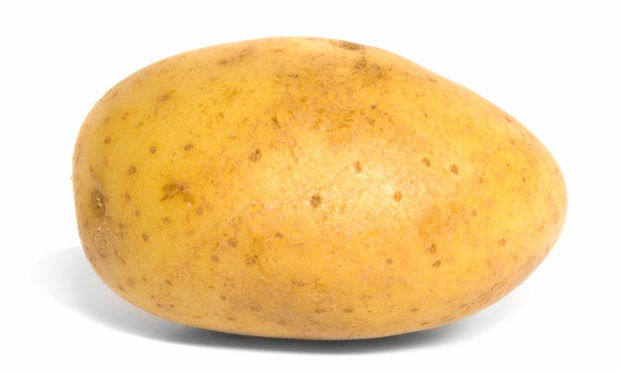
Don't Drop the Potato


Many people fear that potatoes will make them fat or cause other health problems. Are potatoes really such villains? Are they any better or worse than bread, rice, or other starchy grains?

A half-baked myth
Potatoes have a bad reputation, in part, because they have a high glycemic index (GI), meaning that their carbohydrates are quickly broken down into sugar, causing blood sugar and insulin levels to rise rapidly. This, in turn, increases fat storage and the risk of obesity and diabetes—at least in theory.

A few studies have implicated potatoes in weight gain and diabetes. For instance, a 2009 study published in the Journal of the American Dietetic Association found a link between potato consumption and waist circumference in women (but not men). Earlier data from the Nurses’ Health Study, published in the American Journal of Clinical Nutrition in 2006, linked potato intake and the risk of type 2 diabetes in obese women—especially when potatoes were eaten in place of whole grains.

But there are plenty of caveats to consider before you drop the potato. For one, not all studies support the idea that high-GI diets—let alone potatoes, in particular—have such adverse effects. Several have found no relationship between high-GI diets and body fat or diabetes. In any case, the GI of potatoes and other foods depends on many factors, including how they’re cooked and what they’re eaten with. And not all varieties have such a high GI. Russet potatoes do, for example, but red potatoes rank moderately.

Moreover, it’s hard to separate the effects of potatoes from those of other foods in a typical Western diet. That is, the undesirable associations seen in some studies could be due to the meat, refined grains, sugars and trans fats (as in French fries) in a “meat and potatoes” diet, rather than the potatoes. People also vary in their responses to carbohydrates, and some research suggests that potatoes may be more problematic in overweight and/or sedentary people, who are more likely to have insulin resistance.

Good for weight loss?
On the flip side, some research suggests that potatoes may help with weight control. They rate high in satiety, meaning they help fill you up, so you may eat less. Potatoes also contain proteinase inhibitors, which may suppress appetite. And preliminary experimental work suggests that potato extracts may improve insulin sensitivity and decrease diabetes risk due to their polyphenols. There’s even a weight-loss supplement that contains a potato extract, which is claimed to act as an appetite suppressant, though there’s no evidence it works. More research is needed, certainly, to confirm any weight-loss potential of potato extracts.

Fully baked facts
In actuality, potatoes are relatively low in calories—just 130 to 140 in a medium plain baked potato (5 ounces after cooking). That’s more per ounce than non-starchy vegetables, but fewer than the calories in bread and rice. The problem is that potatoes are often prepared and served with lots of high-calorie ingredients. A 5-ounce potato with two tablespoons of butter and three tablespoons of sour cream has 415 calories and 30 grams of fat. A 5-ounce portion of hash browns, cooked in oil or butter, has 375 calories, while 5 ounces of fast-food French fries has 435 calories. Ounce for ounce, potato chips have more than five times as many calories as a plain potato.

Potatoes are also a good source of fiber (leave the skin on), potassium (more than bananas), and vitamin C, and they provide some protein, iron, B vitamins (notably folate), and magnesium, along with other potentially beneficial plant compounds. The more colorful the potato, the higher the antioxidants.

There’s plenty of room for potatoes in a healthy diet that’s rich in vegetables, fruits, legumes and whole grains. Eat them in moderation and go easy on the oil, cheese and cream when preparing them. By the way, sweet potatoes are technically unrelated to potatoes, but are a nutritious vegetable that provides lots of beta carotene and other carotenoids. You’d do well serving them up in place of white potatoes on occasion.

Thứ Ba, 20 tháng 10, 2015

Measuring Body Weight: Beyond BMI

The body mass index is the standard method for evaluating body weight according to height. A “normal” BMI range is between 18.5 and 25. Between 25 and 30 is considered overweight, and above 30, obese (over 40 is considered extreme obesity). Below 18.5 is underweight, which can be as bad for health as obesity, especially in people over 65. To compute your BMI, you divide your weight (in kilograms) by your height (in meters) squared. Another way to do it: Multiply your weight (in pounds) by 705; divide the result by your height (in inches); then divide again by your height. This government website will compute your BMI for you.

Bear in mind that BMI, weight tables, and other indices serve only as approximate guides to evaluating weight. The cutoffs between weight categories are somewhat arbitrary. And some experts believe that the cutoffs for the normal range may be too low. Indeed, some studies suggest that BMIs in the overweight range (but not obesity) are not unhealthy and may even be the “sweet spot” on the weight spectrum in terms of longevity, particularly after age 65.

Moreover, the BMI doesn’t make allowance for some factors that affect body fatness and health. For instance, it doesn’t take into consideration how muscular you are, whether you are large- or small-boned, or whether you have lost height with age.

Perhaps most important, the BMI doesn’t gauge where your body fat is stored, which affects your health risks. If your body is apple-shaped (weight primarily around the waist), you’re at greater risk for various chronic problems, notably cardiovascular disease, diabetes, and some types of cancer, than if you are pear-shaped (fattest in the hips, buttocks, and thighs). It’s possible to have a normal BMI and carry too much weight around the waist and thus still be at elevated risk.

Several factors, notably gender, influence fat distribution. Men store most excess fat in the midsection, while women tend to accumulate it lower on the body. Still, women can gain abdominal fat, too, particularly after menopause (largely because of hormonal changes). Heredity and activity level also affect body shape.
While most fat in the hips and thighs is stored just under the skin (subcutaneous fat), more fat in the midsection is stored in and around the liver and other organs (visceral fat). These fat cells deep in the abdominal area are more “metabolically active” than subcutaneous fat. That is, they release certain fatty acids, hormones, and pro-inflammatory compounds, which are believed to account for some of the adverse health effects. Visceral fat increases estrogen production, for instance, which may partly explain the increase in breast cancer risk in some postmenopausal women. And by inducing chronic inflammation in the body, excess visceral fat may further boost cardiovascular risk.

To determine if you carry too much abdominal fat, measure your waist circumference: 40 inches or more indicates high risk for men, 35 inches for women, though risk starts to rise before those cutoffs.

Thứ Bảy, 10 tháng 10, 2015

Sweet & Sour Peanut Sauce - Weight Loss


Use this sauce to dress noodles or steamed vegetables.

Ingredients
  • 2 cloves garlic, peeled
  • 1/2 cup creamy peanut butter
  • 2/3 cup cilantro
  • 1/2 cup water
  • 2 tablespoons rice vinegar or cider vinegar
  • 1 tablespoon plus 1 teaspoon reduced-sodium soy sauce
  • 2 teaspoons honey
  • 3/4 teaspoon hot pepper sauce
  • 1/4 teaspoon salt

Directions
1. In a small saucepan of boiling water, cook the garlic for 2 minutes to blanch. Drain.

2. Transfer the garlic to a blender or food processor. Add the peanut butter, cilantro, water, vinegar, soy sauce, honey, hot sauce and salt, and process until smooth. Store the sauce in the refrigerator.

Makes 1 1/4 cups

Nutrition information per 2 tablespoons
calories 84 • total fat 6.6g (saturated 1g) • cholesterol 0mg • dietary fiber 1g • carbohydrate 5g • protein 3g • sodium 200mg • Good source of niacin, vitamin E

So that we have enough energy, also weight loss to have healthy life tomorrow.

Thứ Hai, 5 tháng 10, 2015

How to Exercise for Weight Loss

Studies comparing the roles of calorie reduction and exercise in weight loss have generally found that the greater benefit comes from the dieting. But combining exercise and diet is usually best. Exercise not only burns calories and makes you trimmer and fitter, it also helps prevent the loss of muscle mass and the drop in metabolic rate that usually accompany dieting. And once you’re at your desired weight, exercise is an effective way to prevent or minimize future weight gain.

For overall good health, the U.S. Dietary Guidelines recommend that adults do at least 150 minutes a week of moderate intensity exercise (such as 30 minutes, five days a week) or 75 minutes a week of vigorous aerobic exercise. To lose weight and maintain weight loss, aim higher: 300 minutes a week at moderate intensity or 150 minutes at high intensity. To meet the goals more easily, you can break up your exercise—even into periods as short as 10 minutes.


You should also aim to be more active all around—taking the stairs instead of the elevator, parking farther away from your destination (or, better yet, walking instead of driving for shorter distances), and avoiding too much TV or other “couch potato” time. Find activities and sports you enjoy so you will be more likely to stick with them (working out shouldn’t feel like “work” after all). Using some type of fitness tracking device or smartphone app can be motivating.

Another perk of exercise: It can help ease snack cravings, some research has found. In a study in PLOS ONE, for example, overweight people reported reduced cravings for high-calorie sugary snacks after a brisk 15-minute walk. And in an earlier study in Appetite, people who walked and then did computer work ate half as much chocolate from a bowl at hand as those who rested before the task. Brief bouts of exercise may help elevate mood, similar to what chocolate and sugary foods do. Any kind of physical activity may do the trick.

Doesn’t exercise make you hungrier, though, so you may end up eating more calories than you’ve burned off? Most studies suggest that when people exercise moderately, they tend to eat only slightly more than when they don’t work out. But it’s hard to generalize, since appetite regulation is a complex process, involving blood sugar levels, a variety of hormones and other chemicals, and psychological factors. Exercise’s effect on your appetite may also depend on your gender, body weight, and fitness level, as well as on the frequency, duration, and intensity of your workouts. And the effect is likely to be different once exercise becomes habitual, because of the body’s adaptation processes during a long-term exercise regimen. However your appetite is affected by exercise, watch how much you eat afterwards, and don’t use food as a reward for your workout efforts.

Thứ Bảy, 3 tháng 10, 2015

Weight Control: Two Traps to Avoid

If you’re trying to follow a healthy diet, perhaps even lose some weight, could hidden obstacles be preventing you from staying on track? Here’s a look at two traps not to fall into, based on studies published recently in the Journal of Consumer Research.


Don’t judge a food’s healthfulness by its name. In a study from the University of South Carolina in Columbia and Loyola University in Baltimore, dieters rated a dish as healthier and more nutritious when it was called a salad versus a pasta dish, even though the ingredients—diced vegetables, pasta, cheese, salami and dressing over a bed of lettuce—were identical. Dieters also ate more candies when they were called fruit chews instead of candy chews.

As the authors point out, the food industry does a good job of confusing people by altering the names of products to make them sound healthier (and lower in calories). Sugary drinks, for instance, are marketed as flavored waters, potato chips are called veggie chips and milkshakes have become smoothies.

Take-home lesson: “Focus on the ingredients of foods rather than their names, as many foods are healthy in name only,” says lead author Caglar Irmak. Pay attention to portion sizes, too, of course.

Beware of the influence of overweight people on your eating behavior.Contrary to what you may think, you are more likely to indulge in unhealthy foods if you see someone who is overweight, according to a study from the University of Colorado. Participants filled out questionnaires that included a photo of either an overweight or normal-weight woman. Afterwards, when given the chance to dip into a candy bowl, those who had seen the photo of the overweight person took significantly more, on average. Similarly, people ate more cookies after viewing an image of an overweight person. This study offers more support for the notion that obesity can be socially contagious. As shown in a study in the New England Journal of Medicine in 2007, people are more likely to become obese if they have family and friends in their social network who have become obese.

Take-home lesson: “Reminding yourself of your personal health and weight goals can help you stay on track and avoid overeating, whoever you are with,” recommends lead author Margaret Campbell.