Hiển thị các bài đăng có nhãn Healthy Eating. Hiển thị tất cả bài đăng

Thứ Tư, 21 tháng 10, 2015

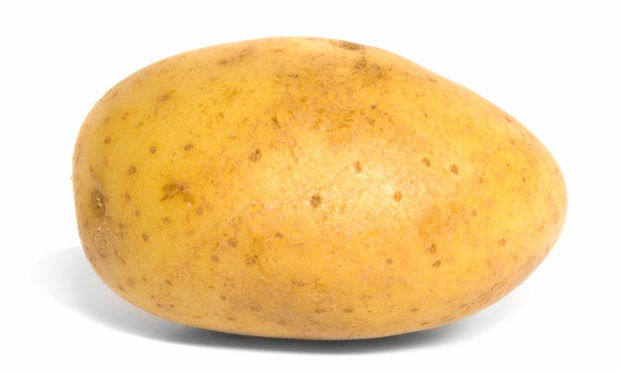
Don't Drop the Potato


Many people fear that potatoes will make them fat or cause other health problems. Are potatoes really such villains? Are they any better or worse than bread, rice, or other starchy grains?

A half-baked myth
Potatoes have a bad reputation, in part, because they have a high glycemic index (GI), meaning that their carbohydrates are quickly broken down into sugar, causing blood sugar and insulin levels to rise rapidly. This, in turn, increases fat storage and the risk of obesity and diabetes—at least in theory.

A few studies have implicated potatoes in weight gain and diabetes. For instance, a 2009 study published in the Journal of the American Dietetic Association found a link between potato consumption and waist circumference in women (but not men). Earlier data from the Nurses’ Health Study, published in the American Journal of Clinical Nutrition in 2006, linked potato intake and the risk of type 2 diabetes in obese women—especially when potatoes were eaten in place of whole grains.

But there are plenty of caveats to consider before you drop the potato. For one, not all studies support the idea that high-GI diets—let alone potatoes, in particular—have such adverse effects. Several have found no relationship between high-GI diets and body fat or diabetes. In any case, the GI of potatoes and other foods depends on many factors, including how they’re cooked and what they’re eaten with. And not all varieties have such a high GI. Russet potatoes do, for example, but red potatoes rank moderately.

Moreover, it’s hard to separate the effects of potatoes from those of other foods in a typical Western diet. That is, the undesirable associations seen in some studies could be due to the meat, refined grains, sugars and trans fats (as in French fries) in a “meat and potatoes” diet, rather than the potatoes. People also vary in their responses to carbohydrates, and some research suggests that potatoes may be more problematic in overweight and/or sedentary people, who are more likely to have insulin resistance.

Good for weight loss?
On the flip side, some research suggests that potatoes may help with weight control. They rate high in satiety, meaning they help fill you up, so you may eat less. Potatoes also contain proteinase inhibitors, which may suppress appetite. And preliminary experimental work suggests that potato extracts may improve insulin sensitivity and decrease diabetes risk due to their polyphenols. There’s even a weight-loss supplement that contains a potato extract, which is claimed to act as an appetite suppressant, though there’s no evidence it works. More research is needed, certainly, to confirm any weight-loss potential of potato extracts.

Fully baked facts
In actuality, potatoes are relatively low in calories—just 130 to 140 in a medium plain baked potato (5 ounces after cooking). That’s more per ounce than non-starchy vegetables, but fewer than the calories in bread and rice. The problem is that potatoes are often prepared and served with lots of high-calorie ingredients. A 5-ounce potato with two tablespoons of butter and three tablespoons of sour cream has 415 calories and 30 grams of fat. A 5-ounce portion of hash browns, cooked in oil or butter, has 375 calories, while 5 ounces of fast-food French fries has 435 calories. Ounce for ounce, potato chips have more than five times as many calories as a plain potato.

Potatoes are also a good source of fiber (leave the skin on), potassium (more than bananas), and vitamin C, and they provide some protein, iron, B vitamins (notably folate), and magnesium, along with other potentially beneficial plant compounds. The more colorful the potato, the higher the antioxidants.

There’s plenty of room for potatoes in a healthy diet that’s rich in vegetables, fruits, legumes and whole grains. Eat them in moderation and go easy on the oil, cheese and cream when preparing them. By the way, sweet potatoes are technically unrelated to potatoes, but are a nutritious vegetable that provides lots of beta carotene and other carotenoids. You’d do well serving them up in place of white potatoes on occasion.

Chủ Nhật, 18 tháng 10, 2015

Decaf: A Healthy Choice?

Most people who drink decaffeinated coffee do so because it doesn’t make them jittery or keep them awake. But some believe it’s better for them than regular coffee—even though coffee has been cleared of nearly all health charges, and may actually be beneficial. Is decaf somehow healthier than regular coffee? Or does the decaffeination process itself represent a health risk? On the other hand, many Americans are drinking tea because they’ve heard how healthy it is. If they drink decaf tea, they may wonder, do they get the health benefits? Here are answers to these and other questions.

How much caffeine does decaf contain?

It must have at least 97 percent of the caffeine removed. That leaves about 5 milligrams, compared to the 100 to 150 milligrams in 6 ounces of brewed coffee. Tea starts with much less caffeine, so most decaf tea has even less caffeine than decaf coffee.

How is coffee or tea decaffeinated?

There are three methods to extract the caffeine: using organic chemical solvents (methylene chloride or ethyl acetate), carbon dioxide or the water method (also known as the Swiss Water method). Since ethyl acetate is derived from fruit, coffee de-caffeinated via this solvent is sometimes described as "natural" decaf. Some coffee or tea processors use different methods for their various products.

Is one type of decaf preferable?

No. Over the years there have been worries about decaf processed with methylene chloride because studies had found that this chemical caused cancer when inhaled by lab animals (which is why it was banned in hair sprays). But there was no carcinogenic effect when the animals drank the chemical. In any case, the residue in decaf is virtually nil, and there’s no evidence of any danger for humans drinking decaf. The Food and Drug Administration (FDA) has approved the compound for use in decaffeination. Many companies, including Starbucks, use methylene chloride because consumers tend to prefer the taste compared to, say, water-filtered decaf, which usually tastes blander.

Does regular coffee pose any health risks?

Coffee has been blamed for causing many ailments, but in nearly every instance it has been declared not guilty, as we have reported over the years. It was linked to heart disease and pancreatic cancer—but then exonerated. Some researchers still worry that coffee drinking may promote hypertension; most studies, however, have found no such effect. A few studies have suggested that large quantities of coffee (regular or decaf) can boost blood cholesterol slightly, but most research has found no increase in cholesterol or cardiovascular risk. One exception: drinking five or more cups of unfiltered coffee, brewed in a French press (a pot with a plunger), raises cholesterol.
Caffeine actually has potential benefits. Besides boosting alertness, it has an analgesic effect, which is why it is added to some pain relievers. Several studies also suggest it helps prevent Parkinson’s disease. A review of 18 studies, published in the Archives of Internal Medicine, suggested that high intakes of regular and decaf coffee, along with tea, may reduce the risks of Type 2 diabetes. And there’s evidence suggesting it may help against gallstones and dental cavities.

What about decaf—does it pose any risks?

Though decaf has been less studied than regular coffee, it too has been the focus of several health scares that have so far not panned out. For instance, a study of women in Iowa found that those drinking four or more cups a day of decaf had an elevated risk of rheumatoid arthritis, but another study, from Harvard, found no such link.
Decaf can, however, have some of the same effects on the body as regular coffee. It too can cause heartburn or irritate stomach ulcers in susceptible people. And oddly enough, even without the caffeine, it too can stimulate the nervous system and briefly boost blood pressure in those unaccustomed to coffee, according to Swiss researchers. But coffee, decaf or regular, does not cause hypertension.

Is decaffeinated tea as healthful as regular?
No one knows. The studies suggesting health benefits have looked at people who drink a lot of regular tea, not decaf. The benefits apparently come from antioxidant compounds called flavonoids. Decaf tea generally contains less of these, though flavonoid content varies widely among teas, so it is hard to predict. The levels also depend on how the tea was processed. Moreover, not all types of flavonoids are lower in decaf tea, and it’s not known which ones are most important. A few studies suggest that decaffeinated teas do have potential anti-cancer effects. For instance, one study found that smokers who drank four cups of decaffeinated green tea daily for four months had significantly reduced DNA damage, as shown by urine tests. Another study gauged the total antioxidant capacity of various teas and found that some decafs rank higher than some regular teas.
On the horizon: Researchers are now working on breeding coffee plants that will have up to 98 percent less caffeine. But making these plants commercially viable looks like it will take years.

Thứ Hai, 12 tháng 10, 2015

Maintaining Weight Loss: The Hard Part

The weight-loss industry tends to focus on strategies needed to shed pounds—but these may be different from what you need to maintain your new, lower weight.

For instance, as a study in the American Journal of Preventive Medicine found, people who succeeded at losing weight and keeping it off shared some common practices: They ate lots of fruits and vegetables, controlled their portions, planned what they would be buying before shopping, and read nutrition labels. But the successful weight maintainers had other tactics in their arsenal too: They were more likely to follow a consistent exercise routine, eat higher amounts of lean protein, reward themselves for sticking to their diet or exercise plan, and remind themselves why they need to control their weight.
Meanwhile, the National Weight Control Registry has found that successful weight-loss maintainers tend to be conscious of calories, have a less-varied diet, weigh themselves regularly, keep food diaries, watch less TV, and exercise a lot, among other winning strategies.

How maintaining is different from losing

Weight control is a process in which you fine-tune what works for you as you go. You may find, for example, that limiting calories works initially, but that you feel better and can more easily keep your calories down by eating a higher proportion of protein. You may also need a variety of exercise before you find a routine that works best for you. And you may have high motivation to lose weight in the beginning, but then find that over time, as enthusiasm wanes, you need to remind yourself of your goals more often, and reward yourself more often for staying on course.

Bottom line: Don't get discouraged. Most people fail several times before they “get it right.” It may take a few rounds before you succeed at keeping the weight off. The good news is that if you can keep the weight off for two years, chances are you’ll keep it off over the long term, according to the National Weight Control Registry. You may still have to work at it every day, but you gain more confidence in your ability, which goes a long way towards lasting success.

Should You Go Gluten-Free?

Gluten-free diets are in vogue, pitched as a healthy way to eat and as a way to lose weight. An Internet search of the term “gluten-free” yields some 90 million results. More than 8,000 gluten-free foods are found on Amazon.com; sales of such products soared to $28 billion last year. Gluten-free items have also surged on mainstream restaurant menus over the last two years, according to a new report from a food industry research and consulting firm.

There’s one very good reason to avoid gluten, the main protein in wheat (and rye and barley): if you have a gluten-related disorder, notably celiac disease or gluten sensitivity. Celiac disease is an autoimmune disease affecting about one percent of Americans. (This is different from wheat allergy and is not an allergic reaction.) Gluten sensitivity is a more poorly defined and debatable condition that’s estimated to affect about six percent of the population. This is also not an allergic condition.

But for the great majority of people, there’s no evidence that going gluten-free has any health benefits, according to Arizona State University researchers, who published a commentary in the Journal of the Academy of Nutrition and Dietetics in 2012 after reviewing the scientific literature.

Despite books and celebrities promoting it, a gluten-free diet is not a proven weight loss strategy, either. Gluten-free products are sometimes even higher in calories than their regular counterparts. And because most are made from less-healthful refined flour (albeit gluten-free flour), they tend to lack the fiber found in whole wheat and other whole grains that aids in weight control. Moreover, as the paper noted, some research suggests that wheat gluten itself may have health benefits (including triglyceride-lowering effects) and that going gluten-free may cause losses of beneficial intestinal bacteria.

Claims are also being made that celiac disease is on the rise due to changes in wheat breeding over the past century. But a study in the Journal of Agricultural and Food Chemistry disputes the notion that today’s wheat varieties have more protein—and thus more gluten—than those from the early 20th century.
Bottom line: If you have chronic indigestion or other symptoms suggestive of gluten sensitivity, consult your doctor and get tested before going on a gluten-free diet. (Long-term avoidance of gluten can interfere with the diagnostic tests for celiac disease.) If you have a medical need to avoid gluten, do so; otherwise, a healthy diet is one that is rich in whole grains, including whole wheat. If you’ve gone gluten-free and feel better, it’s likely because you’ve cut out a lot of refined carbs and other junk foods, not because you’ve eliminated gluten.

Thứ Bảy, 10 tháng 10, 2015

Sweet & Sour Peanut Sauce - Weight Loss


Use this sauce to dress noodles or steamed vegetables.

Ingredients
  • 2 cloves garlic, peeled
  • 1/2 cup creamy peanut butter
  • 2/3 cup cilantro
  • 1/2 cup water
  • 2 tablespoons rice vinegar or cider vinegar
  • 1 tablespoon plus 1 teaspoon reduced-sodium soy sauce
  • 2 teaspoons honey
  • 3/4 teaspoon hot pepper sauce
  • 1/4 teaspoon salt

Directions
1. In a small saucepan of boiling water, cook the garlic for 2 minutes to blanch. Drain.

2. Transfer the garlic to a blender or food processor. Add the peanut butter, cilantro, water, vinegar, soy sauce, honey, hot sauce and salt, and process until smooth. Store the sauce in the refrigerator.

Makes 1 1/4 cups

Nutrition information per 2 tablespoons
calories 84 • total fat 6.6g (saturated 1g) • cholesterol 0mg • dietary fiber 1g • carbohydrate 5g • protein 3g • sodium 200mg • Good source of niacin, vitamin E

So that we have enough energy, also weight loss to have healthy life tomorrow.

Thứ Sáu, 9 tháng 10, 2015

Foods That Lower Blood Pressure - Healthy Diet


You probably already know that a diet low in sodium and rich in foods containing potassium, calcium and magnesium—referred to as the DASH diet—may help prevent or help normalize high blood pressure. But are there specific foods—not supplements or individual nutrients—that can have a helpful effect? Here's what the research says.

Dairy

In a 2012 review and analysis of various studies published in the Journal of Human Hypertension, Australian researchers found a link between the consumption of low-fat dairy and a reduced risk of hypertension. This was seen most strongly with low-fat yogurt and milk (but not cheese). Though calcium may play a role, it's more likely other components of dairy that protect, including compounds such as peptides, released during digestion. Why high-fat dairy may not protect isn't yet clear, but the saturated fat could be to blame. People who consume low-fat dairy also simply may have a healthier overall lifestyle.


Flaxseed

Consuming flaxseed in a variety of foods was linked to a reduction in both systolic blood pressure (when the heart contracts) and diastolic blood pressure (when the heart relaxes) over six months in people with hypertension, according to a 2013 study published in the journalHypertension. Even when study participants took blood pressure medication, they experienced a benefit from flaxseed. It's not clear what in flaxseed may be responsible for the blood pressure reduction, but it may be any or all of these four compounds: alpha linolenic acid, lignans, peptides and fiber.


Chocolate

Consuming dark chocolate or cocoa products rich in flavanols was linked with some reduction in systolic or diastolic blood pressure among people with hypertension or pre-hypertension (but not normal blood pressure), according to a 2010 meta-analysis in BMC Medicine. Other research has shown that polyphenols (especially flavanols) in cocoa products are associated with the formation of nitric oxide, a substance that widens blood vessels and eases blood flow—and thereby lowers blood pressure. According to the researchers, future studies should investigate whether genetics plays a role.


Olive Oil

A 2012 study published in the American Journal of Hypertension looked at how olive oil might affect blood pressure in young women with mild high blood pressure. Spanish researchers compared a diet of polyphenol-rich olive oil to a diet that didn't contain any polyphenols and their effects on blood pressure over a period of four months. The results: The polyphenol-rich olive oil was linked with drops in systolic and diastolic blood pressure—especially among women with higher blood pressure to start.


Beets

For a 2013 study in Nutrition Journal, Australian researchers looked at the effects of beet juice on blood pressure among healthy life both men and women. Participants drank either beet plus apple juice or plain apple juice, then had their blood pressure monitored over 24 hours. The results: The researchers observed a reduction in systolic blood pressure six hours after participants drank beet juice, especially among the men. Beets naturally contain nitrates, which ease blood pressure.

Pistachios

A 2013 study published in the journalHypertension looked at pistachio consumption and blood pressure. Participants, who had high LDL cholesterol, ate one or two servings of pistachio nuts daily for four weeks. In the end, the lower dose of nuts was better at reducing systolic blood pressure than the higher dose. An increase in the volume of blood pumped from the heart could account for the difference, but it's not entirely clear. Or, pistachio nuts may reduce constriction of peripheral blood vessels.


Pomegranate

Researchers from the United Kingdom looked at the effect of pomegranate juice on blood pressure among young and middle-aged people. Consuming more than a cup of pomegranate juice every day for four weeks was linked to a drop in both systolic and diastolic blood pressure, according to the study results, published in Plant Foods for Human Nutrition. It's not clear what might be causing these reductions, but it may be the potassium or polyphenols found in pomegranate juice.


Fatty Fish

Researchers from Spain, Portugal, Iceland and Ireland published a study in the journal Nutritionthat looked at the impact of a diet including fish on diastolic blood pressure among overweight or obese people on a weight loss diet. Eating fatty fish such as salmon (but not leaner fish, such as cod) three times a week was linked with a reduction in diastolic blood pressure over eight weeks. The researchers say that many previous studies have found that omega-3 fatty acids (found naturally in fish) have a blood pressure-lowering effect.


Whole Grains

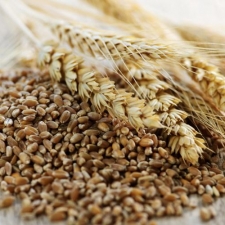
A 2010 study published in the American Journal of Clinical Nutrition looked at how eating whole grains affected blood pressure in middle-aged people. British researchers compared a diet of whole wheat (or whole wheat plus oats) to a diet of refined grains. They found that eating three servings of whole grains was linked with a reduction in systolic blood pressure. Exactly why isn't clear, athough other research has pointed to beneficial effects of whole grains on cholesterol.


Hibiscus

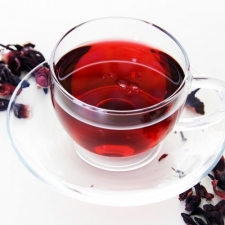
For a 2010 study, researchers from the Jean Mayer USDA Human Nutrition Research Center on Aging at Tufts University looked at how drinking three daily servings of hibiscus tea over the course of six weeks changed blood pressure in people with pre-hypertension or mild high blood pressure. They found reduction in both systolic and diastolic blood pressure, especially in people with higher systolic blood pressure to start. Hibiscus tea is loaded with antioxidants, including phenols and anthocyanins, which might explain the effect.


Diet Advice

These are all healthy foods that can be part of your healthy diet, healthy life. But whether any one food can lower your blood pressure isn't entirely clear and will likely depend on a host of variables including your current blood pressure, your genes, other components in your diet, how much of the food you consume and how often.

Thứ Tư, 7 tháng 10, 2015

The Power of a Heart-Healthy Diet

Following a heart-healthy diet reduces cardiovascular risk factors enough to decrease the chance of having a heart attack or stroke by an estimated 30 percent,according to a study in the American Journal of Clinical Nutrition. Half of the participants, ages 40 to 70, were instructed to follow basic British dietary guidelines (comparable to U.S. ones)—eat more produce, fatty fish, and whole grains, while cutting down on sodium, saturated fat, and added sugars.


The other half continued with a traditional British diet. After 12 weeks, the heart-healthy diet resulted in a 4-point lower systolic blood pressure, 10 percent lower LDL (“bad”) cholesterol and triglycer­ides, ½-inch smaller waist, and other beneficial changes, compared to the control group.

6 Essential Foods for Heart Health

It’s hard to overstate the value of a smart, healthy diet in keeping your heart in good shape. In tandem with regular exercise and stress-reducing activities such as meditation, a healthy diet not only can help prevent heart disease, but can slow or even reverse its progression in people who already have it. Here are six foods that should be part of any heart-healthy diet, health for me

Fatty fish

A 2013 study in the Annals of Internal Medicineoffered powerful evidence for the heart-healthy benefits of eating fish. In the study, which included 2,700 healthy life Americans over age 65, researchers correlated participants’ blood levels of omega-3 fatty acids (abundant in fatty fish) with their likelihood of dying over the next 16 years. People taking omega-3 supplements were excluded, so the blood levels were a marker for fish intake. Subjects with the highest initial omega-3 blood levels were 27 percent less likely to die during the 16 years than those with the lowest levels. The greatest reduction was seen in deaths from cardiovascular disease, notably those caused by abnormal heart rhythms. Make sure you choose low-mercury varieties of fish, such as sardines.

Legumes

Beans, beans, they're good for your heart. Really. An analysis in the Canadian Medical Association Journal combined data from 26 randomized clinical trials, comparing diets with and without foods like beans, chickpeas, lentils, and split peas, and found that one daily serving of these legumes (about 2/3 cup cooked) reduced LDL levels by 5 percent, on average. Many observational studies have linked higher intakes of legumes with a reduced risk of cardiovascular disease.

Nuts

Numerous studies have linked nuts to a markedly reduced risk of heart disease, largely because of their favorable effect on blood cholesterol—especially when substituted for foods high in saturated fat, such as meat and cheese. And a 2013 study in the journal Hypertension linked nut consumption (specifically pistachios) to lower blood pressure. In addition to beneficial unsaturated fat, nuts contain heart-healthy potassium, copper, magnesium, B vitamins, vitamin E, fiber, plant sterols, and other phytochemicals. But limit the serving size to a small handful; even though it’s the good kind, nuts contain a lot of fat and therefore a lot of calories.

Oats and barley (beta-glucan)

According to an analysis published in the December 2014 issue of the American Journal of Clinical Nutrition, which pooled data from 28 clinical trials, beta-glucan—the main soluble fiber in oats and barley—can significantly lower blood cholesterol. In fact, the analysis found that daily intakes of at least 3 grams of oat beta-glucan reduced LDL ("bad") cholesterol by 10 points. Most commercially available oat cereals provide 1 to 2 grams of beta-glucan per serving.

Olive oil

It’s a key component of the Mediterranean eating pattern that’s been linked in numerous studies to lower rates of heart attacks and strokes. While it turns out some of the glowing findings on that diet may have been overstated, there’s good evidence that oils rich in monounsaturated fats, including olive oil, have beneficial effects on LDL and HDL cholesterol. And a 2012 study in the American Journal of Hypertension found that the polyphenols (a type of antioxidant) in olive oil reduced both systolic and diastolic blood pressure in young women with mild hypertension.

Strawberries

A small 2014 study in the Journal of Nutritional Biochemistry found that participants who ate around 3 cups of sliced strawberries a day for a month lowered their LDL cholesterol by 14 percent and their triglycerides by 21 percent. Participants also showed improvements in platelet function and other cardiovascular markers. It's worth noting that 3 cups of strawberries are more than most people would realistically consume in a day, and it's not clear whether smaller intakes would produce the same effects. But there are lots of other good reasons to eat strawberries: Like other berries, they're rich in flavonoids (notably anthocyanins), along with vitamin C and fiber, and they're very low in calories. Because strawberries tend to be sprayed heavily with pesticides, rinse them well and, if possible, buy organic.

Thứ Hai, 5 tháng 10, 2015

How to Exercise for Weight Loss

Studies comparing the roles of calorie reduction and exercise in weight loss have generally found that the greater benefit comes from the dieting. But combining exercise and diet is usually best. Exercise not only burns calories and makes you trimmer and fitter, it also helps prevent the loss of muscle mass and the drop in metabolic rate that usually accompany dieting. And once you’re at your desired weight, exercise is an effective way to prevent or minimize future weight gain.

For overall good health, the U.S. Dietary Guidelines recommend that adults do at least 150 minutes a week of moderate intensity exercise (such as 30 minutes, five days a week) or 75 minutes a week of vigorous aerobic exercise. To lose weight and maintain weight loss, aim higher: 300 minutes a week at moderate intensity or 150 minutes at high intensity. To meet the goals more easily, you can break up your exercise—even into periods as short as 10 minutes.


You should also aim to be more active all around—taking the stairs instead of the elevator, parking farther away from your destination (or, better yet, walking instead of driving for shorter distances), and avoiding too much TV or other “couch potato” time. Find activities and sports you enjoy so you will be more likely to stick with them (working out shouldn’t feel like “work” after all). Using some type of fitness tracking device or smartphone app can be motivating.

Another perk of exercise: It can help ease snack cravings, some research has found. In a study in PLOS ONE, for example, overweight people reported reduced cravings for high-calorie sugary snacks after a brisk 15-minute walk. And in an earlier study in Appetite, people who walked and then did computer work ate half as much chocolate from a bowl at hand as those who rested before the task. Brief bouts of exercise may help elevate mood, similar to what chocolate and sugary foods do. Any kind of physical activity may do the trick.

Doesn’t exercise make you hungrier, though, so you may end up eating more calories than you’ve burned off? Most studies suggest that when people exercise moderately, they tend to eat only slightly more than when they don’t work out. But it’s hard to generalize, since appetite regulation is a complex process, involving blood sugar levels, a variety of hormones and other chemicals, and psychological factors. Exercise’s effect on your appetite may also depend on your gender, body weight, and fitness level, as well as on the frequency, duration, and intensity of your workouts. And the effect is likely to be different once exercise becomes habitual, because of the body’s adaptation processes during a long-term exercise regimen. However your appetite is affected by exercise, watch how much you eat afterwards, and don’t use food as a reward for your workout efforts.

Thứ Bảy, 3 tháng 10, 2015

The Right Diet for You

There’s no single diet that’s right for everyone. Where do you fit in?


Carbs vs. protein vs. fat? Various popular eating plans—such as the Zone, Dukan, Atkins, Pritikin, and Ornish—are based on wildly different ratios of carbohydrates, protein, and fat. Some people lose weight more easily on low-carb/high-protein diets, while others do well by eating more carbs and less fat, partly due to genetic reasons. Experiment to find which balance works best for you. Whatever the fat/carb/protein ratio of your diet, opt for “good” carbs (in vegetables, fruits, beans, whole grains), “good” fats (in fish, nuts, seeds, vegetable oils), and healthy life protein (in legumes, white-meat chicken, low-fat or nonfat dairy). And remember that the total number of calories you eat matters more for weight control than what proportion of them comes from each macronutrient.

Calorie-counting vs. mindful eating? Just as some people like to count calories or use some point system or portion-controlled foods, others will prefer a more mindful approach, which helps them naturally cut down on calories without having to keep track.

Solo vs. group? Many people do well by having a diet and exercise partner, joining a structured weight-loss program such as Weight Watchers, or consulting a dietitian who can set up an individualized lifestyle plan and monitor progress. Others may be more successful on their own.

Most important is to find an eating plan that you can stick with over the long term, since the relatively easy part is losing weight; more difficult is keeping the lost weight off.

Weight Control: Two Traps to Avoid

If you’re trying to follow a healthy diet, perhaps even lose some weight, could hidden obstacles be preventing you from staying on track? Here’s a look at two traps not to fall into, based on studies published recently in the Journal of Consumer Research.


Don’t judge a food’s healthfulness by its name. In a study from the University of South Carolina in Columbia and Loyola University in Baltimore, dieters rated a dish as healthier and more nutritious when it was called a salad versus a pasta dish, even though the ingredients—diced vegetables, pasta, cheese, salami and dressing over a bed of lettuce—were identical. Dieters also ate more candies when they were called fruit chews instead of candy chews.

As the authors point out, the food industry does a good job of confusing people by altering the names of products to make them sound healthier (and lower in calories). Sugary drinks, for instance, are marketed as flavored waters, potato chips are called veggie chips and milkshakes have become smoothies.

Take-home lesson: “Focus on the ingredients of foods rather than their names, as many foods are healthy in name only,” says lead author Caglar Irmak. Pay attention to portion sizes, too, of course.

Beware of the influence of overweight people on your eating behavior.Contrary to what you may think, you are more likely to indulge in unhealthy foods if you see someone who is overweight, according to a study from the University of Colorado. Participants filled out questionnaires that included a photo of either an overweight or normal-weight woman. Afterwards, when given the chance to dip into a candy bowl, those who had seen the photo of the overweight person took significantly more, on average. Similarly, people ate more cookies after viewing an image of an overweight person. This study offers more support for the notion that obesity can be socially contagious. As shown in a study in the New England Journal of Medicine in 2007, people are more likely to become obese if they have family and friends in their social network who have become obese.

Take-home lesson: “Reminding yourself of your personal health and weight goals can help you stay on track and avoid overeating, whoever you are with,” recommends lead author Margaret Campbell.

Thứ Năm, 1 tháng 10, 2015

14 Keys to a Healthy Diet

14 Keys to a Healthy Diet

1. Consume a Variety of Foods

Not all the nutrients and other substances in foods that contribute to good health have been identified, so eating a wide assortment of foods helps ensure that you get all of the disease-fighting potential that foods offer. In addition, this will limit your exposure to any pesticides or toxic substances that may be present in a particular food.

2. Keep an Eye on Portions

Sure, you can eat all the broccoli and spinach you want, but for higher-calorie foods, portion control is the key. In recent years, serving sizes have ballooned. In restaurants, choose an appetizer instead of an entree or split a dish with a friend. Don’t order anything that’s been “supersized.” When reading food labels, check serving sizes: some relatively small packages claim to contain more than one serving, so you have to double or triple the calories, grams of fat and milligrams of sodium if you’re planning to eat the whole thing.

3.Eat Plenty of Produce

Aim for 2½ cups of vegetables and 2 cups of fruit a day, for a 2,000-calorie diet. If you consume more calories, aim for more; if you eat fewer than 2,000 calories, you can eat less. Include green, orange, red, blue/purple and yellow produce. The nutrients, fiber and other compounds in these foods may help protect against certain types of cancer and other diseases. Legumes, rich in fiber, count as vegetables, though are moderately high in calories. Choose whole fruits over juice for more fiber. Frozen and canned fruits and vegetables are good options.

4. Get More Whole Grains

At least half your grains should be whole grains, such as whole wheat, barley and oats. Whole grains retain the bran and germ and thus all (or nearly all) of the nutrients and fiber of the grain. Look for a product labeled “100% whole wheat” or “100% whole grain.” If it doesn’t say that, look for a whole grain listed as the first ingredient, though there still may be lots of refined wheat (also called “white” or “enriched” flour) and/or sugar. Another option is to look for the voluntary “Whole Grain Stamp” from the Whole Grains Council.

5. Limit Refined Grains, Added Sugar

The refined carbohydrates in white bread, regular pasta and most snack foods have little or no dietary fiber and have been stripped of many nutrients. On food labels, watch out for “wheat flour” (also called “white,” “refined” or “enriched” flour) on the ingredients list. Also, limit foods with added sugar, such as soda and candy. These are sources of empty calories that contribute to weight gain. Many sugary foods are also high in fat, so they’re even more calorie-dense.

6. Enjoy More Fish and Nuts

Nuts, fatty fish, avocados and vegetable oils supply healthy unsaturated fats. Recent research suggests these foods, though high in calories, tend not to promote weight gain because they are satisfying. Still, it’s best to eat them in place of other high-calorie foods. For instance, substitute olive or canola oil for butter. Fatty fish helps reduce heart disease risks and has other benefits, largely because of its omega-3 polyunsaturated fats.

7.Cut Down on Animal Fat

Saturated fats, especially from red meat and processed meat, boost LDL (“bad”) cholesterol. To limit your intake, choose lean meats, skinless poultry and nonfat or low-fat dairy products. It’s also a good idea to replace saturated fats with “good” fats, found in nuts, fish and vegetable oils, not with refined carbohydrates such as white bread and snack foods.

8. Shun Trans Fats

Trans fats are supplied by partially hydrogenated vegetable oils used in many processed foods (such as commercial baked goods, snack foods and stick margarines) and fast foods (such as French fries). Trans fats raise LDL (“bad”) cholesterol and also reduce HDL (“good”) cholesterol, increasing the risk of heart disease. Since 2006, when a trans fat labeling law went into effect, many food makers have eliminated or greatly reduced these fats in their products.

9. Don't Worry About Cholesterol

Though a 300-milligram daily cap on cholesterol intake has long been advised, there's abundant evidence that cholesterol in food has little, if any, effect on blood cholesterol in most people. Thus, many experts no longer recommend limiting dietary cholesterol (found only in animal foods, notably eggs and shrimp). Rather, the best way for most people to lower their blood cholesterol is to reduce their intake of saturated fats (as in meats) and trans fats (from partially hydrogenated oils in processed foods).

10. Keep Sodium Down, Potassium Up

Excess sodium raises blood pressure in many people and has other harmful effects. People over 50, blacks and those with hypertension, diabetes or chronic kidney disease—that’s most adults—should limit sodium to 1,500 milligrams a day (about two-thirds of a teaspoon of salt). Everyone else should aim for less than 2,300 milligrams a day. At the same time, consume more potassium, which lowers blood pressure. Potassium-rich foods include citrus fruits, bananas, potatoes, beans and yogurt.

11. Watch Your Calcium and Vitamin D

These nutrients are vital for bone health. Get calcium from low-fat or nonfat dairy products and fortified foods such as some orange juices and soy drinks. If you can’t get 1,000 to 1,200 mg a day from foods, take a calcium supplement. It’s hard to consume enough vitamin D from foods, and getting it from sunlight is risky. Many people—especially those who are over 60, live at northern latitudes or have darker skin—may need a D supplement (800 to 1,000 IU a day).

12. Choose Food Over Supplements

Supplements cannot substitute for a healthy diet, which supplies countless other potentially beneficial compounds besides vitamins and minerals. Foods also provide the “synergy” that many nutrients require to be efficiently used in the body. Still, for many people a basic multivitamin/mineral pill can provide some of the nutrients they may fall short on. In addition, many people need calcium as well as vitamin D supplements to meet recommended intakes.

13. Be Aware of Liquid Calories

Beverages supply more than 20 percent of the calories in the average American’s diet. Some liquid calories come from healthy beverages, such as milk and 100 percent fruit juice. But most come from soda and other sweetened beverages and alcoholic drinks, which have lots of calories yet few, if any, nutrients. Soft drinks are a major source of sugar and calories for many Americans, especially children. Though juice is more nutritious than soft drinks, it’s also high in calories, so most people should drink no more than one cup a day.

14. Limit Alcohol

If you drink, do so in moderation. That means no more than one drink a day for women, two a day for men. Older people should drink even less. A drink is defined as 12 ounces of beer, 5 ounces of wine, or 1½ ounces of 80-proof spirits. While alcohol in moderation has heart benefits, higher intakes can lead to a wide range of health problems. Even moderate drinking impairs your ability to drive and may increase the risk of certain cancers. Some people, including pregnant women and those who have certain medical conditions, should avoid alcohol altogether.